

Software shaped around your business
We build the systems companies reach for once spreadsheets and off-the-shelf tools stop fitting — operations platforms, portals, tracking systems and the quiet integrations between them. Designed around the way you already work, and yours to own at the end of it.
What we build
Six shapes cover most of the work. Real projects usually combine two or three of them — an operations platform grows a portal, a tracking system grows a field app.
Operations and ERP platforms
Inventory, procurement, finance, HR and reporting behind one permission model, so three systems stop disagreeing about the same number.
Tracking and logistics systems
Live location, trip costing, fuel and expense monitoring, and maintenance scheduled against real distance rather than the calendar.
Made-to-order commerce
Configurators that hold your pricing rules, show the customer what they are buying, and hand production a specification it can make.
Portals and internal tools
The screens that end the status-update emails, and the admin panels that retire the spreadsheet six people are editing at once.
Field and mobile apps
Capture at the point of work, with offline sync and photo evidence, so the job is recorded once instead of twice.
Integrations and automation
The quiet layer between systems you already run. Often the cheapest project available, and frequently the one with the largest return.
How we work
Discovery, design, architecture, build, testing, handover. The phases are ordinary; what matters is that discovery happens before the quote and that you see working software every fortnight.
You own everything
Source code in your repository from the first commit, data in a database you control, and infrastructure accounts in your company’s name. Written into the agreement, not promised at handover.
Discovery comes first
We document how the work actually runs before quoting a build. It is the phase that makes a fixed price meaningful rather than a guess with a change-request process attached.
Phased where it helps
Where a system can be split, we build the part with the clearest payback first and let it run. You spread the cost and learn what phase two should really contain.
We will tell you not to build
If a product already solves your problem, that is the advice you will get. A build that should have been a subscription is bad for you and eventually bad for us.
Selected work
Three systems built this way, each replacing a set of tools that had stopped agreeing with each other.
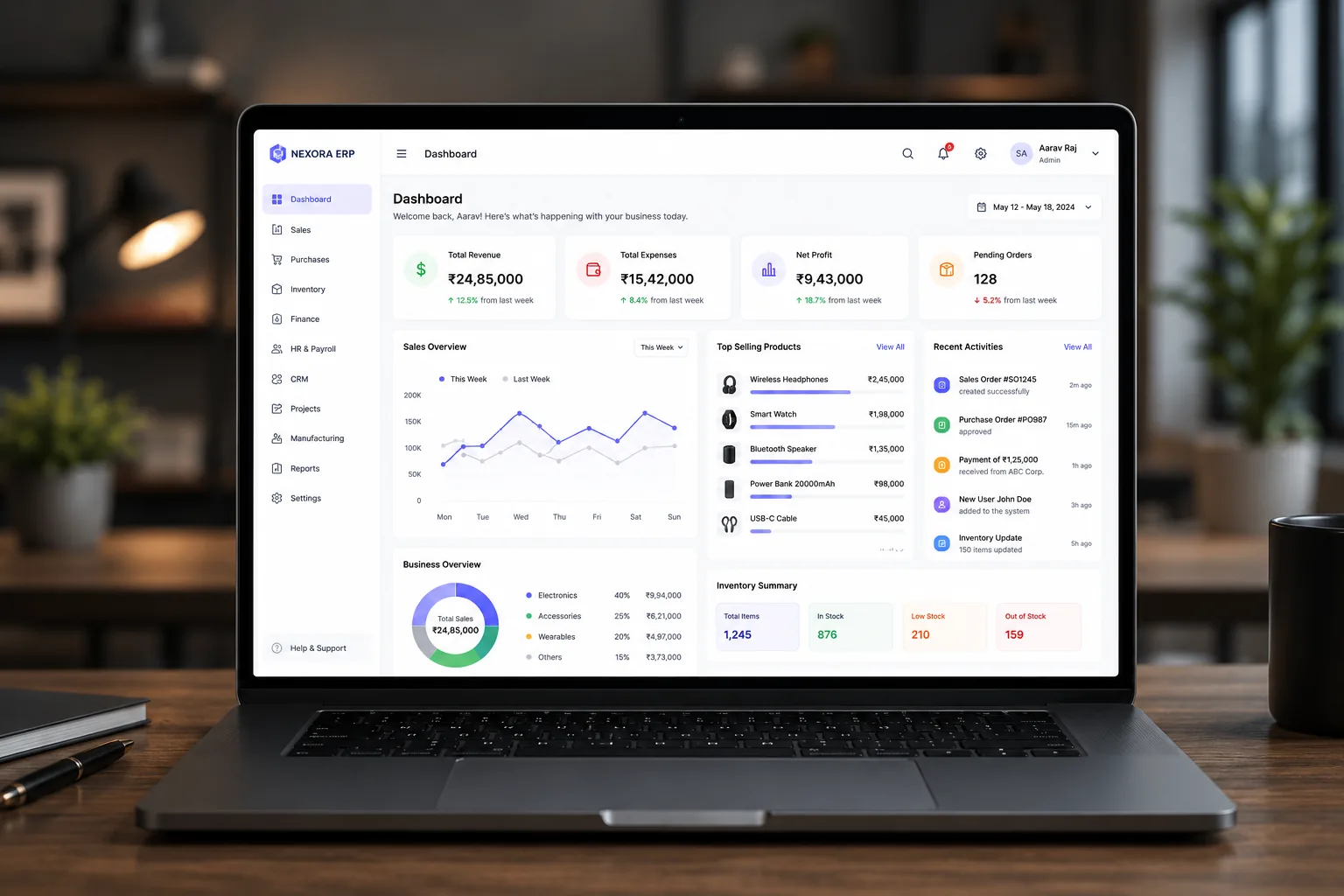
Emarath ERP
Inventory, procurement, finance, HR and reporting folded into one system with role-based access.
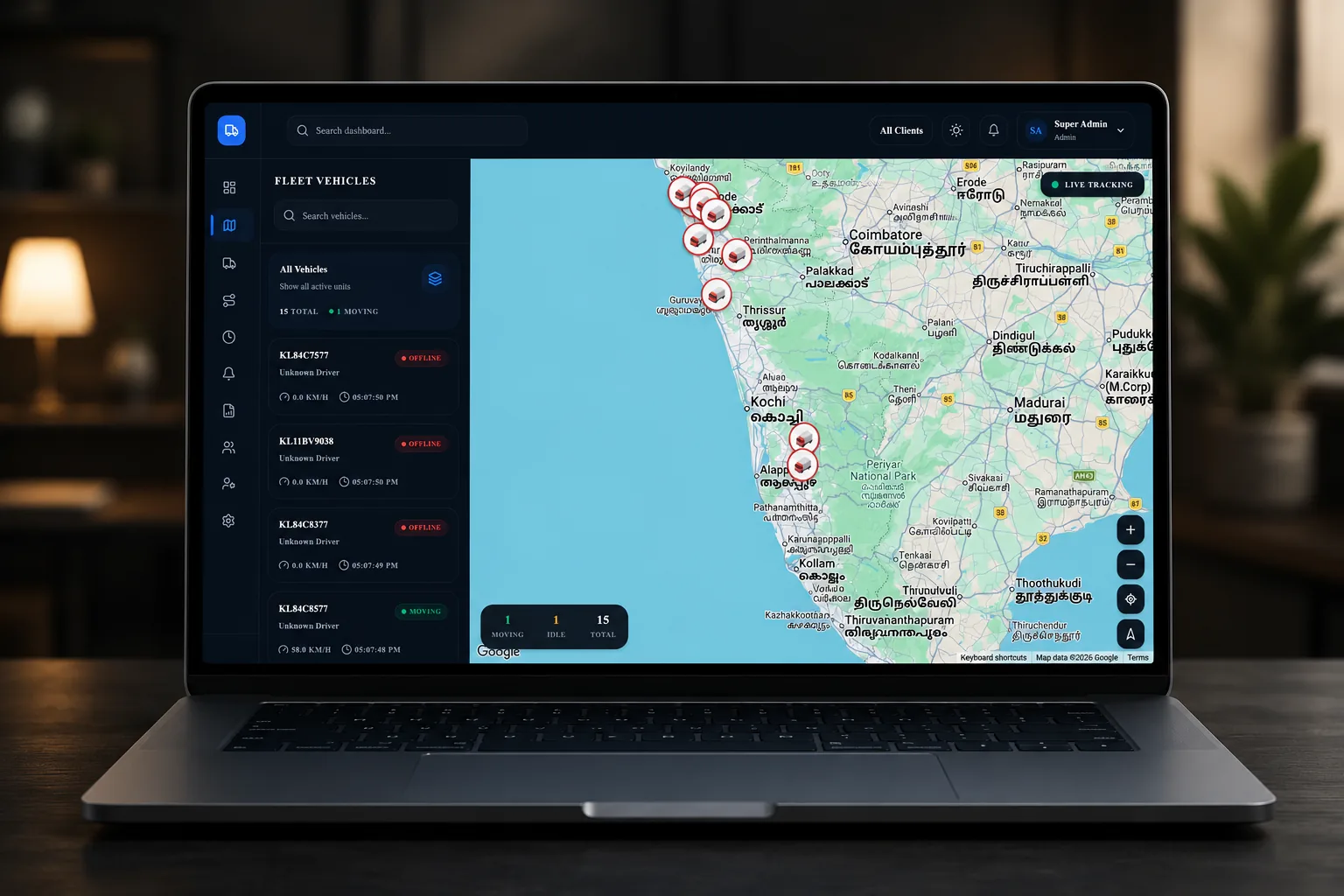
Fleet Management
Live GPS, fuel and expense tracking, and automated maintenance alerts across an entire vehicle fleet.
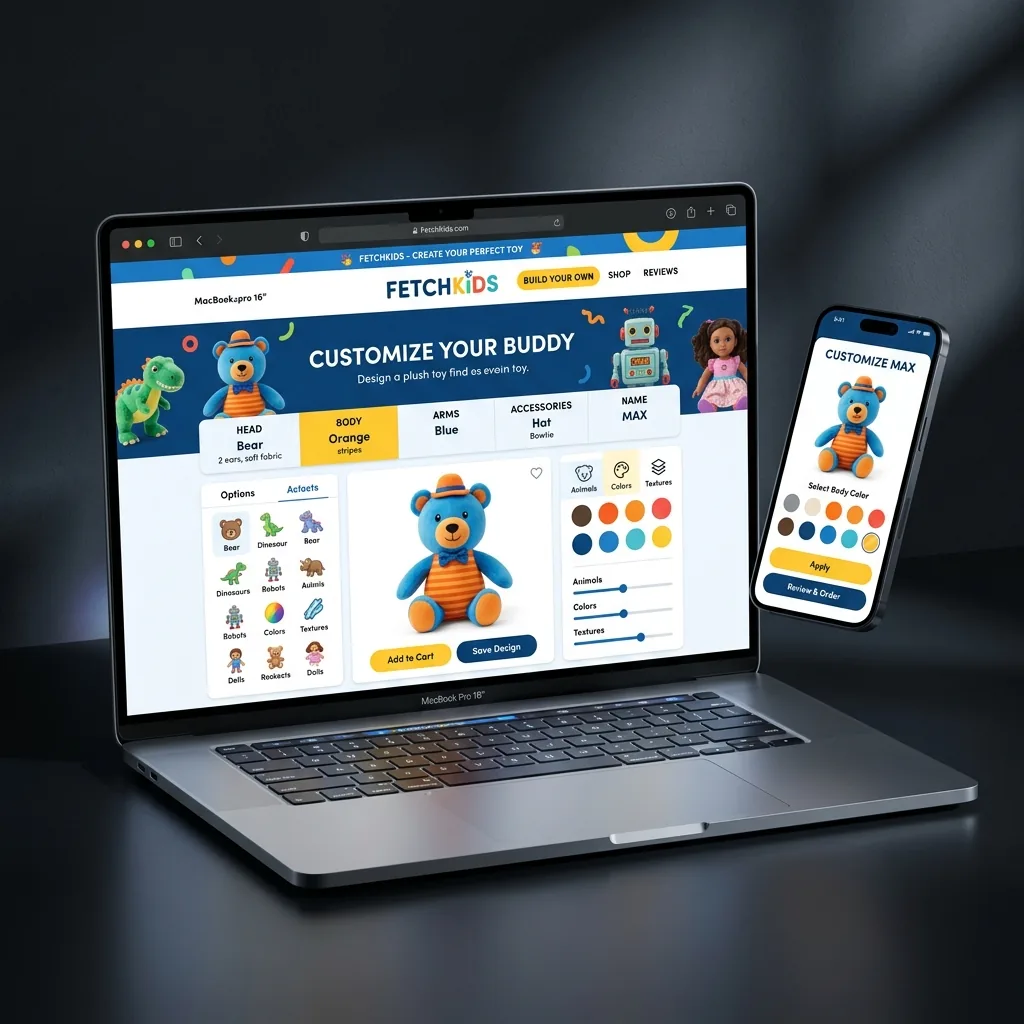
FetchKids
A made-to-order storefront where the customer designs the product and sees the result before paying.
Before you commit to anything
Five guides covering the decision, written to be useful whether or not you end up working with us.
- What Is Custom Software Development?The definition, the boundary between custom and configured, and the three conditions that make building worthwhile.
- Custom Software Development ExamplesSeven categories of system, the operational problem behind each, and the signals that tell you which one you need.
- The Custom Software Development ProcessSix phases, what gets decided in each, and the specific moments where software projects quietly go off the rails.
- How Much Does Custom Software Cost?The five factors that actually move the number, indicative ranges by project size, and the costs that arrive after launch.
- Custom Software vs Off-the-Shelf: How to DecideA side-by-side on cost, speed, fit and risk — including the cases where buying is plainly the better decision.
Ready to Accelerate Your Digital Transformation?
Partner with Shahi Solutions to design, engineer, and deploy high-performance custom applications, websites, and business automations tailored to your scale.